
Contents
Brazil remains the world’s largest sugar producer and exporter, setting the pace for international prices and supply. But every year, from December to March, the sugarcane off-season reshapes the global market — reducing output, creating supply tension, and driving up prices.
For importers of Brazilian sugar, anticipating these dynamics is no longer optional — it’s the difference between securing profitable contracts or facing costly shortages.
The off-season brings a sharp decline in harvesting and processing. Mills scale down operations, and the availability of white, refined, and demerara sugar drops significantly.
In the 2024/25 off-season, prices remained firm, supported by sustained global demand and limited availability.
With Brazil’s per capita sugar consumption surpassing 30 kg/year, domestic demand continues to compete with international buyers.
Major importers like China, India, and Saudi Arabia keep absorbing large volumes, even amid reduced supply.
This imbalance consistently pressures prices upward — a challenge importers must strategically navigate in 2025.
Even when production slows, global sugar demand doesn’t stop. Brazil continues to be the backbone of supply, but logistical challenges intensify during the off-season:
Port congestion, especially at Santos, increases vessel wait times.
Transportation bottlenecks delay shipments, raising costs and risks.
Exporters prioritize long-term clients, leaving spot buyers exposed to shortages.
These realities make it essential for importers to plan ahead.
To stay competitive in the Brazil sugarcane off-season 2025, importers should adopt proactive strategies:
Advance Contracting – Secure contracts early to lock in prices and guarantee supply.
Diversified Sourcing – Consider alternative origins to reduce reliance on Brazil alone.
Inventory Management – Build buffer stocks before December to withstand disruptions.
Logistics Coordination – Strengthen ties with logistics partners to anticipate port delays.
At Mello Commodity, we act as a business hub connecting serious buyers with the largest and most reliable Brazilian sugar exporters. By working directly with us, you eliminate risks tied to intermediaries and gain:
Verified suppliers with international certifications
Faster, more transparent negotiations
Secure contracts that protect your business during the off-season
Looking for a trusted partner to import Brazilian sugar in 2025? Talk to Mello Commodity today and secure your supply before the off-season drives prices higher.
Mello Commodity publishes educational articles that aim to guide importers of agricultural commodities on: Brazilian crops, market information, prices, scams, etc.
Some articles may contain affiliate links that provide access to several SUPPLIER GUIDES for Brazilian agricultural commodities. The commission paid to the Mello Commodity team is used to cover production costs and will not impact the cost of acquiring the material.
If you are interested in negotiating the direct import of sugar, soybeans or yellow corn, simply click on the Quotation menu and send us your order details.

Brazilian, graduated in Marketing, Specialist in Service Management and Strategic Communication.
Important International Negotiator in the commercialization of Brazilian agricultural commodities such as: Sugar, Soybeans and Corn.
Owner of Mello Commdity, she has gained great prominence on the internet in recent years by promoting educational articles for importers of Brazilian agricultural commodities.

How regular ICUMSA 45 sugar shipments work from Brazil

Verified seller – How ICUMSA 45 sugar verification is handled professionally in Brazil
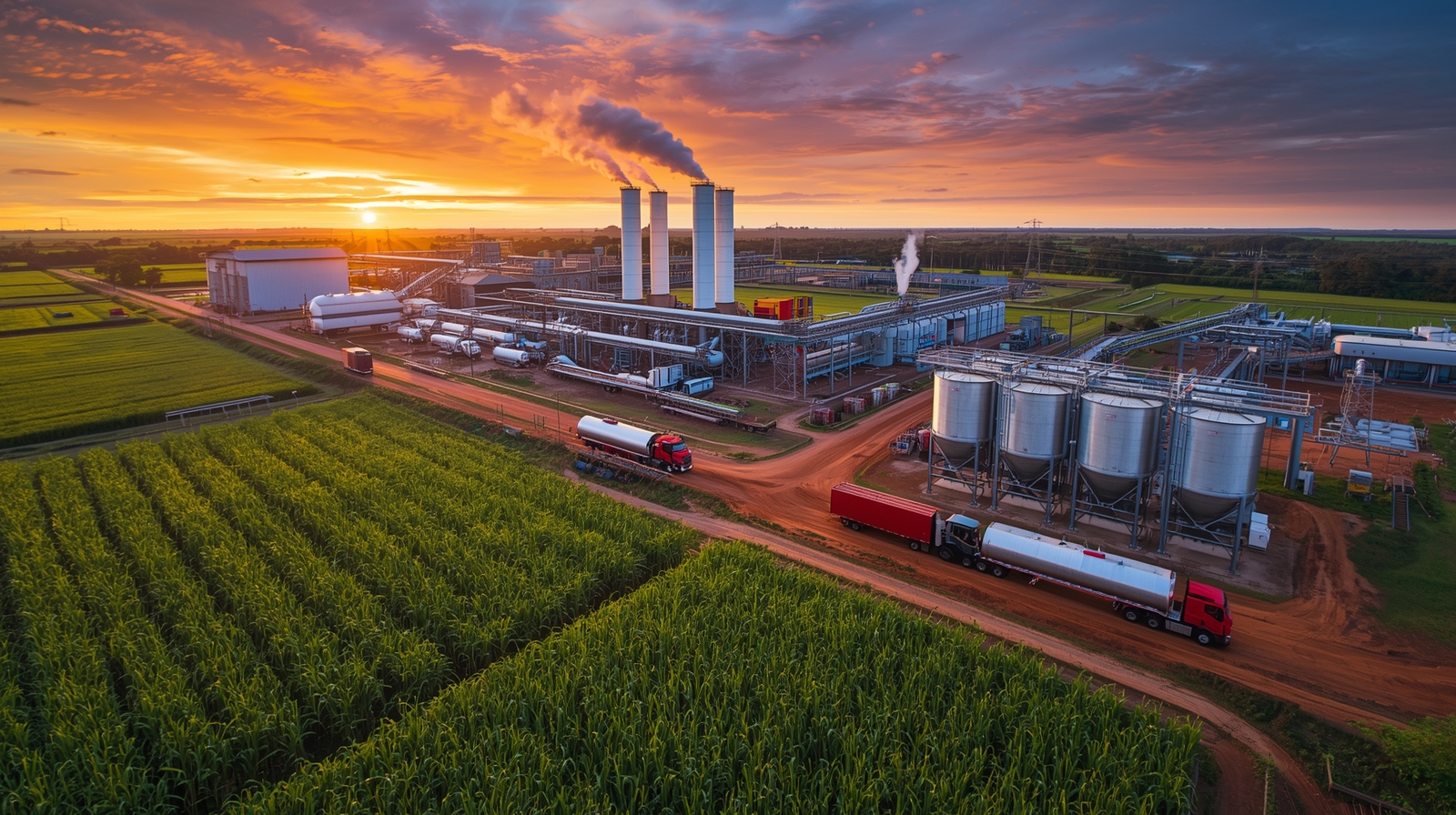
ICUMSA 45 sugar manufacturers in Brazil: how importers secure reliable supply
Brazil Raw Sugar Exporter: Why Global Importers Choose Brazil in 2026