
Golden Opportunity for Brazilian Cane Sugar Suppliers: Trump, Coca-Cola, and the Global Sugar Shift
In a surprising move during an April 2024 rally, former U.S. President Donald Trump urged Coca-Cola to ditch corn syrup and bring back real cane sugar. Just weeks later, the beverage giant confirmed plans to launch a new Coca-Cola Classic made with pure cane sugar, set to hit the U.S. market by 2026.
Here’s the challenge: The U.S. doesn’t produce enough cane sugar to meet this surging demand. According to the USDA, the U.S. produced 8.4 million short tons of sugar in 2023, but only 40% came from sugarcane—grown mainly in Florida, Louisiana, Texas, and Hawaii. The rest is beet sugar or imported.
Contents
As the world’s largest sugarcane producer, Brazil is uniquely positioned to fill this gap. With high-quality ICUMSA 45 sugar, sustainable farming practices, and a robust export infrastructure, Brazilian suppliers have a golden opportunity to become key players in Coca-Cola’s sugar shift—and the broader U.S. market.
Key Takeaways:
>>> Coca-Cola’s switch back to cane sugar creates massive demand.
>>> U.S. production can’t keep up—imports will be essential.
>>> Brazilian cane sugar (ICUMSA 45) is the ideal solution for quality and scalability.
Will Brazilian suppliers seize this moment? The race to supply “real sugar” to the U.S. is on.
Coca-Cola’s strategic decision isn’t just about branding. It touches on major trends in global trade and public perception:
Health perception: Cane sugar is considered more “natural” than high-fructose corn syrup (HFCS), which has faced negative health press in the U.S. for years.
Trade shifts: New demand for cane sugar in the U.S. would require a shift in import policies and logistics.
Supply chain issues: With U.S. domestic supply being insufficient, importers will need to rely on trusted international suppliers.
Brazil is the world’s largest producer and exporter of cane sugar, with a robust and well-regulated supply chain ready to meet global demand. Here’s why Brazilian cane sugar suppliers are the ideal partners:
Brazil produced 37.7 million metric tons of sugar in the 2023/2024 harvest, according to UNICA (Brazilian Sugarcane Industry Association). This makes Brazil capable of handling large-volume orders and ensuring continuity.
Brazil has deep-water ports, strong bulk shipping capacity, and decades of experience exporting to markets in Asia, the Middle East, and Africa. The infrastructure is already in place to ship containers or bulk cargo to U.S. ports quickly and reliably.
Due to favorable climate and large-scale production, Brazil offers some of the lowest sugar prices globally, especially for buyers seeking FOB Santos or CFR containerized shipments.
Brazilian exporters offer sugar that complies with international certifications such as:
SGS or Bureau Veritas inspection
Halal certification for Islamic markets
Full traceability and ICUMSA 45 grade for refined sugar buyers
If Coca-Cola’s move succeeds and other beverage and food manufacturers follow suit, the U.S. may need to increase cane sugar imports by 10% to 15% within 24 months.
This opens a window of opportunity for traders and importers to:
Secure supply contracts ahead of price adjustments
Diversify sources and lock in long-term agreements
Capitalize on favorable exchange rates and seasonal pricing
1. What is the difference between cane sugar and beet sugar?
Cane sugar is derived from sugarcane, while beet sugar comes from sugar beets. Both are chemically similar, but cane sugar is often preferred in beverages for its taste and perception.
2. Why is Brazil considered a reliable sugar supplier?
Brazil combines large-scale production, reliable logistics, and international compliance, making it a go-to source for consistent, high-volume cane sugar exports.
3. Can I import Brazilian sugar to the U.S. under current trade rules?
Yes, but importers must navigate tariff-rate quotas (TRQs). Brazil typically receives an annual quota under the WTO framework, but additional imports may be allowed under special licenses or during shortages.
4. How long does it take to ship sugar from Brazil to the U.S.?
Transit time from Santos (Brazil) to major U.S. East Coast ports is approximately 18 to 25 days depending on the route and port congestion.
At Mello Commodity, we specialize in connecting international sugar buyers with certified Brazilian cane sugar suppliers. Whether you’re looking for containerized shipments, bulk cargo, or specialty grades like ICUMSA 45 or VHP, we help you navigate the entire sourcing process with transparency and speed.
Request a free sugar quote now and secure your position before the U.S. demand surges.
USDA Sugar Reports: www.usda.gov
UNICA (Brazilian Sugarcane Industry Association): www.unicadata.com.br
Coca-Cola Press Releases (April–June 2024): www.coca-colacompany.com
Reuters: “Trump Urges Coca-Cola to Drop Corn Syrup” – April 2024
Financial Times: “Coca-Cola to Release New Cane Sugar Version” – May 2024
Mello Commodity publishes educational articles that aim to guide importers of agricultural commodities on: Brazilian crops, market information, prices, scams, etc.
Some articles may contain affiliate links that provide access to several SUPPLIER GUIDES for Brazilian agricultural commodities. The commission paid to the Mello Commodity team is used to cover production costs and will not impact the cost of acquiring the material.
If you are interested in negotiating the direct import of sugar, soybeans or yellow corn, simply click on the Quotation menu and send us your order details.

Brazilian, graduated in Marketing, Specialist in Service Management and Strategic Communication.
Important International Negotiator in the commercialization of Brazilian agricultural commodities such as: Sugar, Soybeans and Corn.
Owner of Mello Commdity, she has gained great prominence on the internet in recent years by promoting educational articles for importers of Brazilian agricultural commodities.
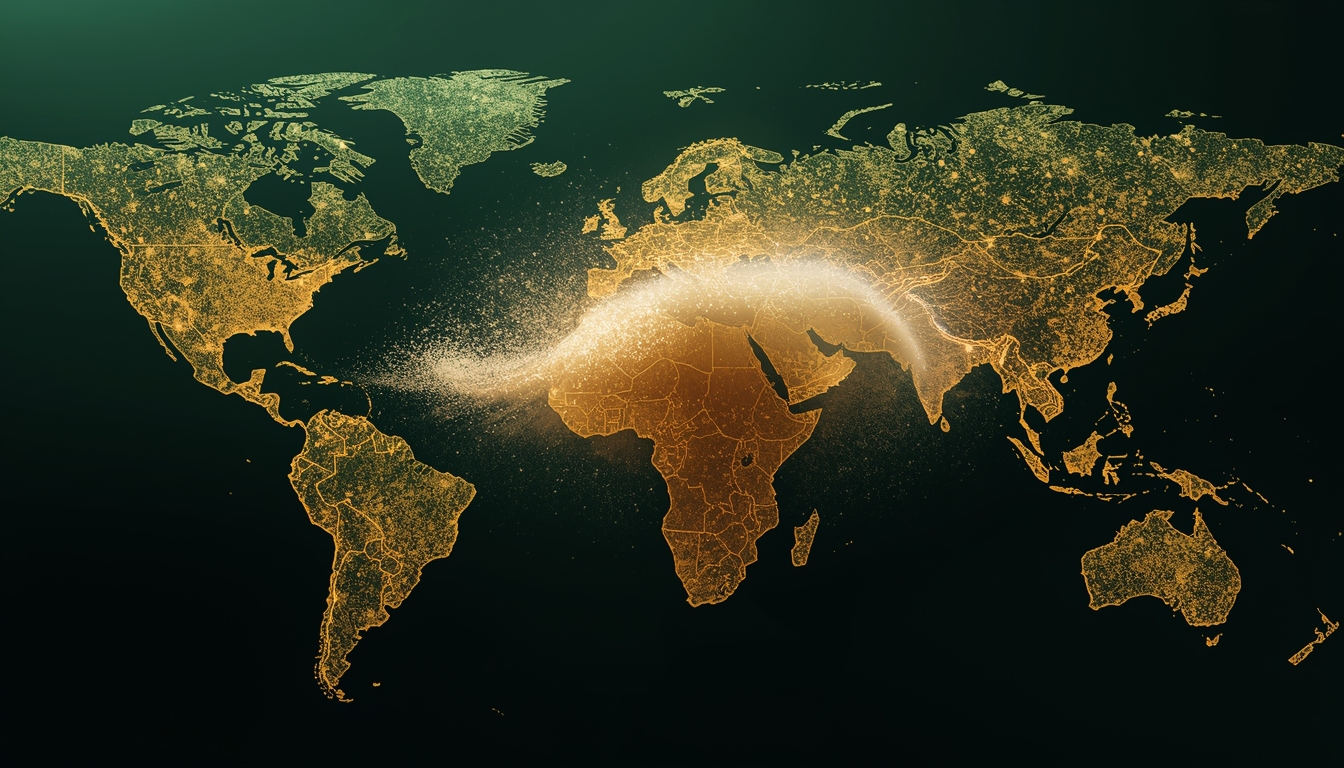
How regular ICUMSA 45 sugar shipments work from Brazil
Verified seller – How ICUMSA 45 sugar verification is handled professionally in Brazil
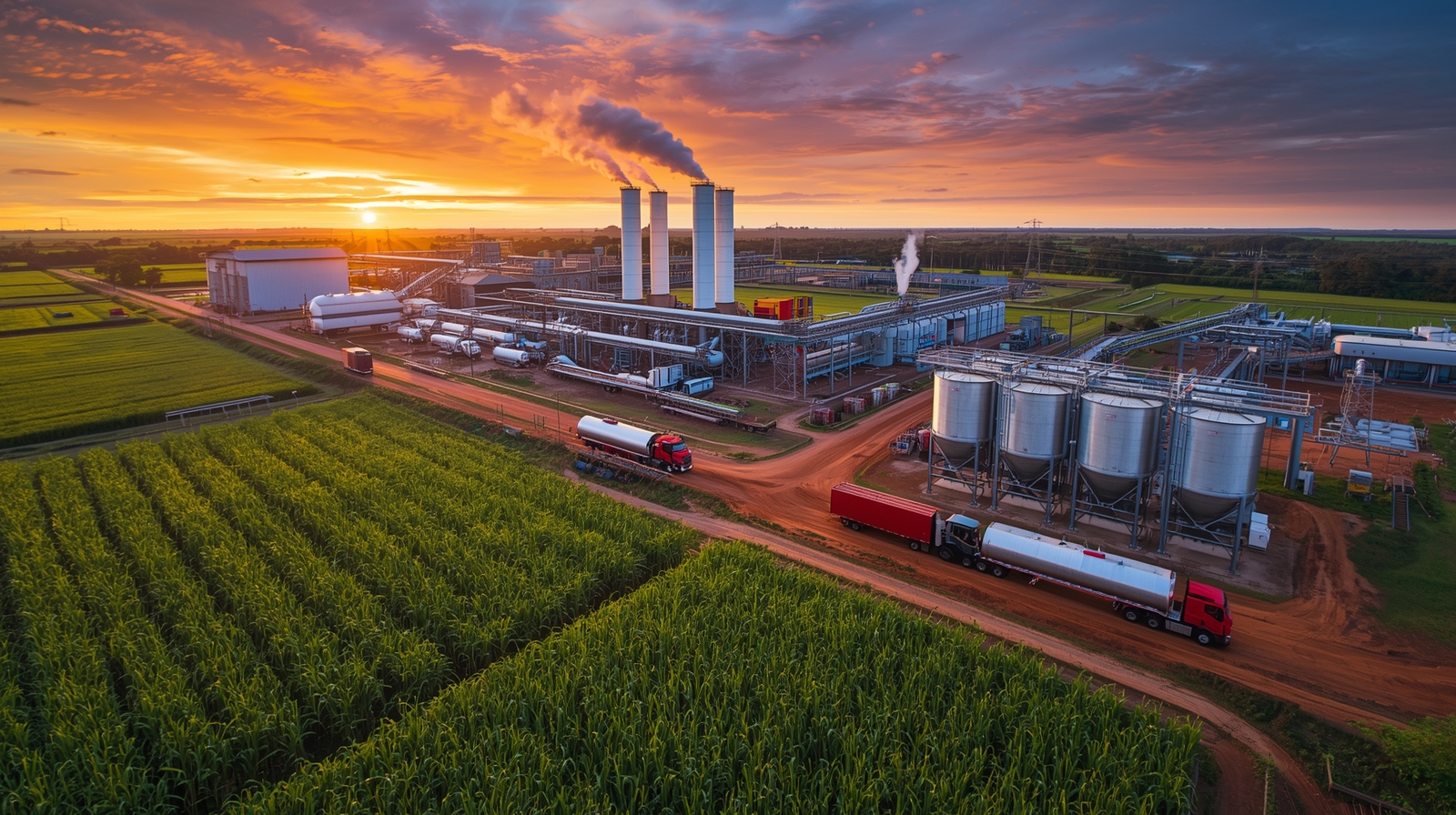
ICUMSA 45 sugar manufacturers in Brazil: how importers secure reliable supply
Brazil Raw Sugar Exporter: Why Global Importers Choose Brazil in 2026
3 thoughts on “Why Brazilian Cane Sugar Suppliers May Be the Biggest Winners in Coca-Cola’s Real Sugar Comeback”
Comments are closed.