
R. Viconde de Pirajá, 414 - Ipanema
Rio de Janeiro - Brazil
9:00AM to 7:00 PM
Moday To Friday
+55 21 976 723 023
R. Viconde de Pirajá, 414 - Ipanema
Rio de Janeiro - Brazil
9:00AM to 7:00 PM
Moday To Friday
+55 21 976 723 023
Contents
For many businesses, El Niño is simply another weather phenomenon reported in the news. For experienced importers, however, it represents something far more significant: the possibility of supply disruptions, unexpected price increases and greater uncertainty in international procurement. History has shown that the biggest challenges in global commodity markets rarely begin when harvests fail. They begin months earlier, when climate forecasts start influencing purchasing decisions, export policies and market expectations.
The projections for the 2026–2027 Super El Niño are already attracting the attention of governments, commodity analysts and multinational food companies around the world. Meteorological agencies continue to monitor the warming of the equatorial Pacific Ocean, while agricultural markets are evaluating how a strong event could affect some of the world’s most strategic producing regions. For importers of Brazilian sugar, coffee and soybeans, understanding these developments is no longer optional—it is an essential part of risk management.
But climate alone does not determine prices.
The real concern begins when adverse weather reduces production in multiple exporting countries at the same time. Lower harvests often translate into tighter global inventories, export restrictions, increased freight costs and stronger competition among international buyers. By the time these effects become visible in market prices, many experienced importers have already secured contracts, diversified suppliers and protected their supply chains.
That is precisely why the companies that consistently outperform their competitors tend to follow climate indicators months before planting and harvesting seasons reach their critical stages. They understand that successful procurement depends not only on finding competitive prices, but also on anticipating market movements before everyone else reacts.
This is particularly important in markets such as sugar, coffee and soybeans, where a relatively small number of producing countries are responsible for supplying a large portion of global demand. When climate events simultaneously affect Brazil, India, Thailand or Vietnam, the consequences quickly spread far beyond national borders, influencing international prices, export availability and delivery schedules across multiple continents.
The projected Super El Niño arrives at a time when global agricultural markets are already facing additional challenges. Higher production costs, geopolitical uncertainties, tighter inventories in several commodities and increasing pressure on global logistics have reduced the margin for unexpected disruptions. In this environment, climate risk becomes another variable capable of influencing purchasing strategies, contract negotiations and long-term supply planning.
For professional importers, the question is no longer whether climate events will affect international trade. The question is how prepared their organizations are to respond before the rest of the market does.
That distinction often separates companies that maintain stable supply chains from those forced to buy under pressure, paying higher prices for increasingly limited availability.
And this raises another important question.
If previous Super El Niño events significantly changed agricultural commodity markets, what exactly happened during those events—and what lessons can today’s importers learn before history repeats itself?
One of the most common mistakes made by inexperienced buyers is assuming that every climate event affects agricultural commodities in the same way. It does not. Every El Niño has its own intensity, duration and geographical footprint. However, when we examine the world’s three most recent major events, one pattern becomes remarkably clear: markets react long before production numbers are officially confirmed.
Professional importers understand that commodity prices are driven by expectations as much as by actual supply. As soon as weather models indicate a high probability of droughts, excessive rainfall or lower crop yields, traders, exporters and institutional investors begin adjusting their positions. By the time official production reports confirm a supply deficit, the market has often moved significantly.
For this reason, understanding what happened during previous Super El Niño events is not merely an academic exercise. It provides valuable insights into how international commodity markets are likely to behave if the projected 2026–2027 Super El Niño develops as many climatologists currently expect.
The Super El Niño of 1997–1998 was one of the strongest ever recorded. Severe droughts affected Southeast Asia and Australia, while intense rainfall caused widespread flooding across parts of South America. Agricultural production was disrupted in several regions simultaneously, highlighting how interconnected global food supply chains had become.
Nearly two decades later, the 2015–2016 Super El Niño produced another wave of significant disruptions. Once again, drought reduced agricultural output across India, Thailand and Vietnam, while parts of South America experienced unusually heavy rainfall. For global commodity markets, this event became a reminder that climate risk can quickly evolve into a supply chain risk.
More recently, the 2023–2024 El Niño demonstrated that even before a harvest is completed, governments and exporters may begin changing their commercial strategies. Export restrictions, tighter inventories and increased uncertainty encouraged many importers to secure supplies earlier than usual, contributing to additional price volatility.
Although no two climate events are identical, history consistently shows that markets respond first to uncertainty, and only later to confirmed production losses.
Among the world’s major agricultural commodities, sugar has historically been one of the most sensitive to strong El Niño events.
The reason lies in the structure of the global export market. While sugar is produced in many countries, only a handful consistently supply large volumes to international buyers. Brazil dominates global exports, while India and Thailand play critical roles in balancing international availability. When adverse weather simultaneously affects these producers, the consequences rapidly spread throughout the market.
During the 2015–2016 Super El Niño, drought significantly reduced sugarcane productivity in both India and Thailand. Lower rainfall weakened crop development, reducing production and limiting exportable surpluses. As governments prioritized domestic supply, international buyers increasingly turned to Brazil, intensifying competition for available cargoes.
The result was a sharp increase in international sugar prices. More importantly, however, experienced buyers recognized that the greatest challenge was not simply paying more for sugar—it was securing reliable supply while competitors were still searching for available sellers.
The same pattern emerged during the 2023–2024 El Niño. Lower rainfall again affected India’s sugar sector, while concerns over domestic food security encouraged authorities to maintain tighter control over exports. Thailand also experienced weather-related production challenges, further reducing global export availability.
For many importers, this combination reinforced an important lesson: when multiple exporting countries face simultaneous production risks, supply becomes more valuable than price alone.
Whenever production declines in competing exporting countries, Brazil naturally assumes an even more important role within the international sugar trade.
As the world’s largest sugar exporter, Brazilian mills often become the primary source of supply for buyers seeking to replace unavailable volumes from other origins. This increased demand strengthens Brazil’s position in global markets while also increasing pressure on logistics, freight capacity and export scheduling.
For international buyers, this means that waiting until shortages become evident can be an expensive strategy. By the time many companies begin looking for alternative suppliers, experienced importers have frequently secured production slots and established delivery schedules with trusted exporters.
This is precisely why supplier qualification becomes just as important as market timing. During periods of heightened uncertainty, companies with established relationships, verified supply networks and direct access to reliable exporters are generally in a stronger position to maintain business continuity.
But sugar is only part of the story.
While sugar markets often react first to climate concerns, the projected Super El Niño could simultaneously affect two other commodities that are fundamental to global food security and international trade: coffee and soybeans.
And unlike sugar, where production is concentrated in relatively few exporting countries, these markets present a different set of risks—some of which are even more complex for international buyers.


If sugar is often the first commodity to reflect climate uncertainty, coffee and soybeans reveal how widespread the consequences of a Super El Niño can become. Unlike sugar, where export availability is concentrated among a few countries, these two markets involve different production cycles, regional weather patterns and demand dynamics. Yet they share one critical characteristic: when climate disrupts supply, buyers who waited too long rarely have attractive alternatives.
For experienced importers, the objective is not simply to predict prices. It is to understand how climate may influence availability, quality, logistics and commercial decisions throughout the entire supply chain.
Coffee is one of the agricultural commodities most closely linked to weather conditions. Temperature, rainfall and humidity influence every stage of production, from flowering to bean development and final quality. Small climatic changes can reduce yields, alter cup profiles and delay harvests.
What makes the projected 2026–2027 Super El Niño particularly concerning is that it could affect the world’s two largest coffee producers simultaneously.
Brazil, responsible for nearly 40% of global coffee production and the largest exporter of Arabica, may experience prolonged heat waves, irregular rainfall and uneven flowering if climate forecasts materialize. These conditions do not necessarily create immediate crop failures, but they can reduce productivity and increase uncertainty regarding the final harvest size.
At the same time, Vietnam—the world’s leading producer of Robusta coffee—has historically experienced drought conditions during strong El Niño events. Lower reservoir levels, reduced irrigation capacity and water stress have previously limited Robusta production, tightening global supplies.
When both Arabica and Robusta become vulnerable during the same production cycle, international markets tend to react quickly. Roasters begin adjusting purchasing strategies, traders reassess inventory positions and exporters become increasingly selective regarding forward commitments.
For importers, the biggest risk is not necessarily an immediate shortage of coffee. The greater challenge is navigating a market where quality premiums widen, inventories tighten and reliable suppliers become more difficult to secure.
Soybeans respond differently to El Niño because weather impacts vary considerably across producing regions. Unlike sugar or coffee, where drought is often the dominant concern, soybean production can suffer from both insufficient and excessive rainfall depending on location.
Brazil, now the world’s largest soybean producer and exporter, illustrates this complexity perfectly.
In the country’s Central-West region, delayed rainfall can postpone planting, reduce yield potential and shorten the growing window for the second crop. In southern states, however, stronger El Niño conditions often increase rainfall, creating entirely different challenges such as disease pressure, harvesting delays and logistical bottlenecks.
Meanwhile, Argentina may benefit from improved rainfall during certain El Niño years, partially offsetting losses elsewhere in South America. The United States also experiences regional impacts that vary depending on seasonal weather patterns.
This explains why soybean markets rarely react to climate headlines alone. Instead, buyers closely monitor satellite imagery, crop conditions, planting progress and weekly weather updates before adjusting procurement strategies.
Yet one factor consistently amplifies market sensitivity: China.
As the world’s largest soybean importer, China purchases well over half of all soybeans traded internationally. Even relatively small reductions in South American export availability can significantly increase competition for cargoes, influencing international prices and freight markets.
For companies that depend on soybean imports for animal feed, vegetable oil production or food manufacturing, supply planning becomes increasingly important as weather uncertainty grows.
One of the clearest differences between experienced importers and inexperienced buyers is the type of questions they ask.
Rather than focusing exclusively on today’s market price, procurement professionals evaluate the broader risks that may affect supply over the coming months.
During a potential Super El Niño, these questions become particularly relevant:
These questions explain why experienced importers rarely wait for newspaper headlines announcing a supply shortage. By then, markets have often adjusted, and purchasing flexibility has already been reduced.
Instead, professional procurement teams continuously evaluate weather forecasts, production reports, export policies and inventory levels to make informed decisions before uncertainty becomes fully reflected in prices.
But even the best market intelligence has limits.
Knowing that risks are increasing is only part of the equation. The next—and perhaps most important—step is ensuring that your supply chain is supported by partners capable of delivering when markets become more challenging.
That is where supplier selection becomes one of the most critical strategic decisions an importer can make.

Brazilian, graduated in Marketing, Specialist in Service Management and Strategic Communication.
Important International Negotiator in the commercialization of Brazilian agricultural commodities such as: Sugar, Soybeans and Corn.
Owner of Mello Commdity, she has gained great prominence on the internet in recent years by promoting educational articles for importers of Brazilian agricultural commodities.
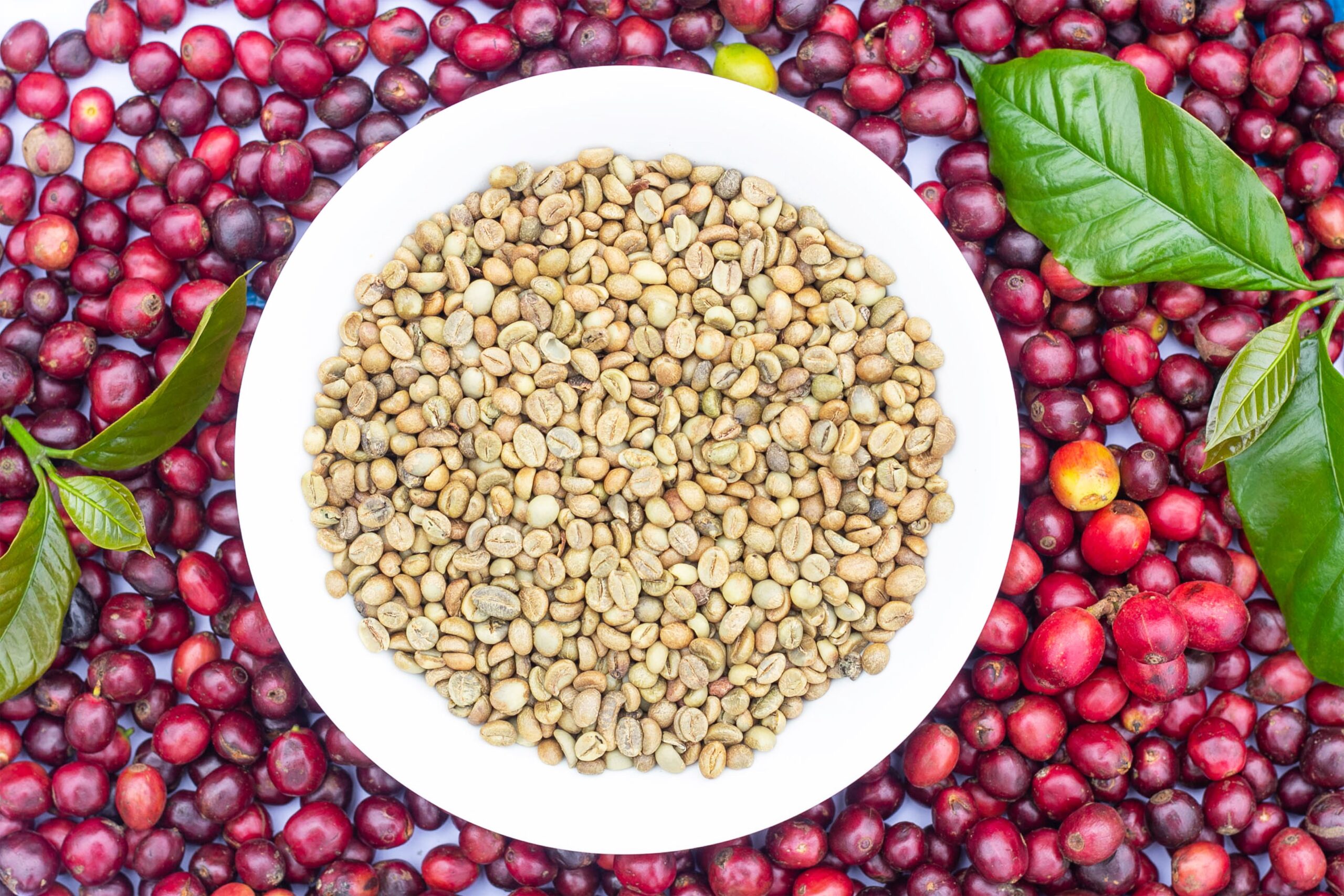 Brazilian Green Coffee Beans Wholesale: Direct Origination for Roasters, Distributors and Industrial Buyers
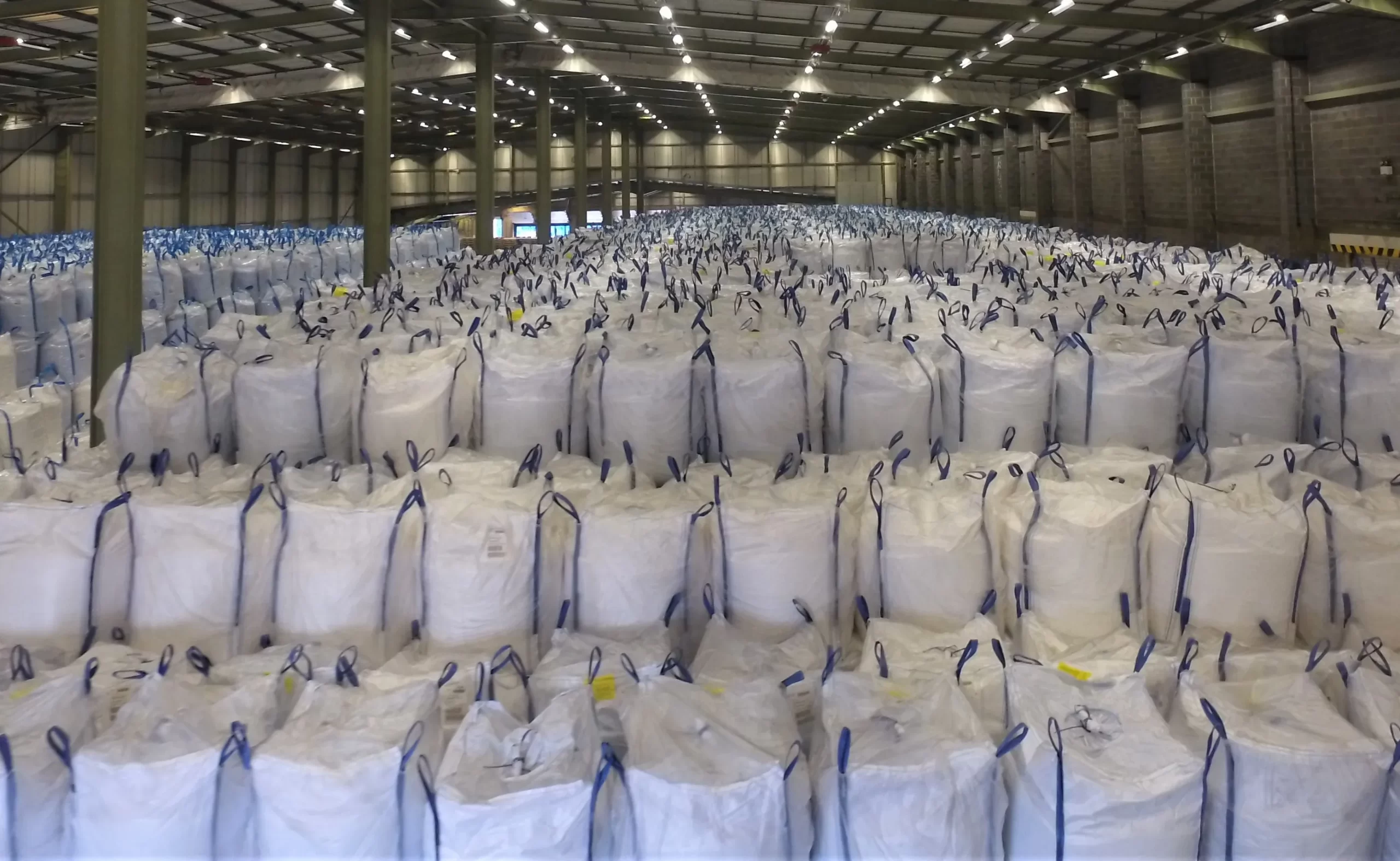 ICUMSA 45 Sugar Supply from Brazil: Why Container Buyers Choose Verified Access Over Direct Offers
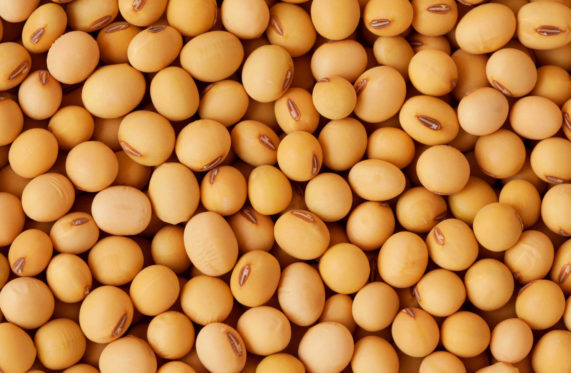 Brazil Will Harvest More Than 180 Million Tons of Soybeans. Here’s What Importers Need to Know Before Buying