
R. Viconde de Pirajá, 414 - Ipanema
Rio de Janeiro - Brazil
9:00AM to 7:00 PM
Moday To Friday
+55 21 976 723 023
R. Viconde de Pirajá, 414 - Ipanema
Rio de Janeiro - Brazil
9:00AM to 7:00 PM
Moday To Friday
+55 21 976 723 023

By Mello Commodity | Commodity Sourcing Intelligence — Brazil
Contents
If you import sugar by container on a regular basis, you’ve probably received dozens of “offers” that looked too good to be true. Below-market pricing, replies in minutes, promises of unlimited supply, documents that “prove” everything before you’ve even placed an order.
And if you’ve been in this market for a while, you also know what usually comes next: silence, excuses, or the discovery that the “exporter” never had any sugar to sell in the first place.
International sugar trade has one of the highest fraud rates among agricultural commodities. That’s not an exaggeration or a marketing angle — it’s a fact known to any buyer who’s been in this market for more than one crop cycle. So if you’re reading this with your guard up, checking every detail, asking for proof, distrusting anyone who promises too much — that’s not paranoia. That’s experience.
This article isn’t here to convince you to blindly trust anyone. It’s here to explain, clearly, how Mello Commodity operates, what we can and cannot offer as proof, and why that distinction is exactly what separates a serious operation from another scam attempt.
If you’ve searched “sugar exporters in Brazil” or “ICUMSA 45 sugar manufacturers in Brazil,” you’ve probably already received Bills of Lading (B/Ls) from past shipments as “proof” of supply capacity from some contact.
We don’t do that. And the reason is simple: real, serious buyers who already work with major Brazilian exporters are protected by confidentiality clauses in their contracts. Sharing another client’s shipment documents — even if it looks like a gesture of transparency — actually exposes confidential business information belonging to a third party. That’s not a serious market practice. At best, it’s a breach of confidentiality; at worst, it’s another tool scammers use to appear legitimate.
This is probably the most common request we receive — and also the most misunderstood. It deserves a full explanation, not just a refusal.
First, a structural point about the industry: sugarcane mills, in general, don’t export directly. They focus on industrial production and sell their output to exporting cooperatives or trading companies specialized in international sugar trade. In rare cases, a mill sets up a separate company to handle its own export activity — but that’s the exception, not the rule.
Brazil has more than 500 sugarcane mills in operation. A relevant-sized exporter typically buys from several mills at once, depending on availability, negotiated quota, and the point in the harvest cycle. That means visiting one specific mill guarantees absolutely nothing about the supply of your order — the mill you’d visit might not even be the one that ends up fulfilling your contract. Real supply security doesn’t come from the factory floor you saw in person. It comes from the documentary and regulatory standing of the exporter structuring the operation.
This is also, incidentally, why several fraud schemes in international sugar trade involve visits to real mills — often without the mill itself knowing it’s being used as part of a staged setup to lend credibility to a scam. (That’s a serious topic on its own, and one we’ll cover in a future article.)
Second, a practical point few buyers consider: a mill isn’t a showroom. It’s a high-hazard industrial environment — many produce both sugar and ethanol on the same site — and access requires advance scheduling, safety training, and in many cases specific protective equipment. No mill of relevant size is going to set up all of that for a buyer negotiating 10 containers. It simply doesn’t hold up operationally. Mills and their commercial partners reserve that kind of access for buyers with meaningful, recurring volume — biannual contracts, quota buyers, or exchange-negotiated operations.
So, to be direct: mill visits exist and are possible — but never before an order is formalized and the buyer’s history has been verified. A company that has never imported a single bag of sugar, with no trading history and no proof of funds with a top-tier bank, is unlikely to qualify for that kind of access — not for lack of goodwill, but because it doesn’t make operational sense for whoever is hosting the visit.
If someone offers you a mill visit before you’ve even formalized an order or shown a track record as a buyer, it’s worth asking: why would a mill make that logistical and security exception for a buyer who isn’t yet qualified? Often, the answer isn’t commercial goodwill — it’s staging.
Read also – MAXIMUM ALERT: International Sugar Trade Frauds


Where can I find a wholesale supplier of ICUMSA 45 in Brazil?
For international importers, finding Brazilian sugar is not difficult. Finding a reliable supply channel that can support specifications, container volumes, documentation and commercial execution is much more important. Mello Commodity operates as a strategic sourcing hub for international sugar buyers, identifying suitable Brazilian export channels and structuring the commercial process for qualified importers seeking ICUMSA 45, ICUMSA 150 and VHP sugar. Request Brazilian Sugar Sourcing
Unlike advance “proof” that can’t be independently verified, Mello Commodity offers something more valuable: a structured process, with real documentary verification, at the right point in the negotiation.
Here’s how it works:
In other words: verification happens, but it happens after a real order is already underway — not beforehand, as a way to “convince” a curious lead to keep going. That sequencing difference is, in practice, what separates a serious commercial operation from a speculative quote that never turns into a contract.
Scammers can put together a good-looking website, a professional email, even a product catalog. What they can’t fabricate is real scale, a verifiable track record, and compliance infrastructure.
Mello Commodity negotiates sugar directly with Brazil’s largest sugar exporter — a company with decades of international market experience, a team dedicated exclusively to export compliance, shipping more than 3,000 containers per month, serving buyers in more than 150 countries, with a financial structure robust enough to sustain recurring, high-volume operations.
That kind of structure isn’t something you find in an opportunistic offer landing in your inbox or WhatsApp. It’s the kind of structure that only exists where there’s real, physically grounded, regulated, and financially sustained operation — and that’s precisely the access we make available to buyers who already purchase regularly, or are ready to.
This is for you if:
You already import sugar regularly and are looking for a reliable second supplier, or a safer alternative to your current one
You buy by container, with volume and frequency that justify an ongoing commercial relationship
You’re ready to formalize an order, not just collect quotes for speculative comparison
This isn’t for you if:
You’re researching the market for the first time and still don’t have clarity on volume, specification, or purchase frequency
You expect to receive past shipment documents or a mill visit as a prerequisite before any formalization
You’re collecting daily quotes with no real intention of closing an order
If you recognized yourself in the first list, the next step is simple: start the qualification process.
What is ICUMSA 45 sugar? ICUMSA 45 is a color classification for white crystal sugar, measured using the method set by the International Commission for Uniform Methods of Sugar Analysis. The number 45 indicates a high degree of refinement and low color, making it the most sought-after standard for importers for direct consumption and industrial use.
How can you verify whether a Brazilian sugar exporter is reliable? Reliable verification comes from confirming market history, export compliance infrastructure, proven shipping capacity, and documentation that’s formalized within a real commercial process — not from third-party documents sent before any order has been formalized, which is often a sign of unethical or fraudulent practice.
Why don’t serious exporters send B/Ls from past shipments as proof? Because those documents belong to other buyers’ transactions and are protected by confidentiality clauses. Sharing them exposes confidential business information belonging to a third party — a practice that serious operations don’t engage in, and one that is, in fact, common among fraud attempts trying to appear legitimate.
Is it normal for a sugar exporter to schedule a mill visit before an order is formalized? No, and there’s a structural reason for that. Most sugarcane mills in Brazil don’t export directly — they sell their production to exporting cooperatives or trading companies, and a given exporter typically buys from several different mills depending on availability and quota. That means visiting one specific mill doesn’t guarantee it will be the actual source of your order, making a visit an inefficient way to verify supply security. On top of that, mills are high-hazard industrial environments that require scheduling, training, and advance preparation — infrastructure that only makes sense for buyers with established volume and history, and only after an order has been formalized.
What’s the difference between negotiating with a trader and negotiating with a direct exporter in Brazil? An intermediary trader often has no real access to the production structure and no accountability for export compliance. Working through a partner with a direct, verified relationship with the exporter reduces the number of intermediaries in the process and increases the traceability and security of the operation.

Buy sugar wholesale internationally; request a quote here.
Mello Commodity | Your Brazilian sugar purchase starts with confidence.
We are an international business hub specializing in Brazilian sugar purchases in containers. We structure your purchase with verified exporters backed by more than 30 years of industry experience and operations through the Port of Santos. The exporter issues the proforma invoice and contract directly to your company, allowing you to verify its details and review the terms before signing or making any payment. Our team guides the negotiation to align supply with your requirements, with clarity at every stage.

Brazilian, graduated in Marketing, Specialist in Service Management and Strategic Communication.
Important International Negotiator in the commercialization of Brazilian agricultural commodities such as: Sugar, Soybeans and Corn.
Owner of Mello Commdity, she has gained great prominence on the internet in recent years by promoting educational articles for importers of Brazilian agricultural commodities.
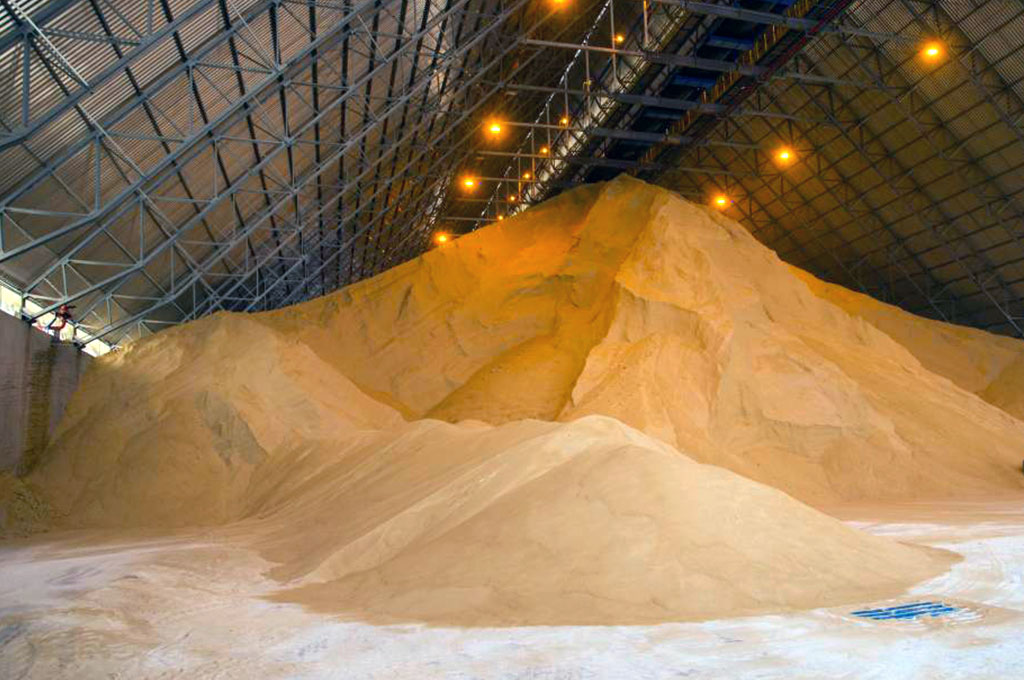 VHP Sugar Wholesale Suppliers in Brazil: What Refinery Buyers Should Confirm Before Buying
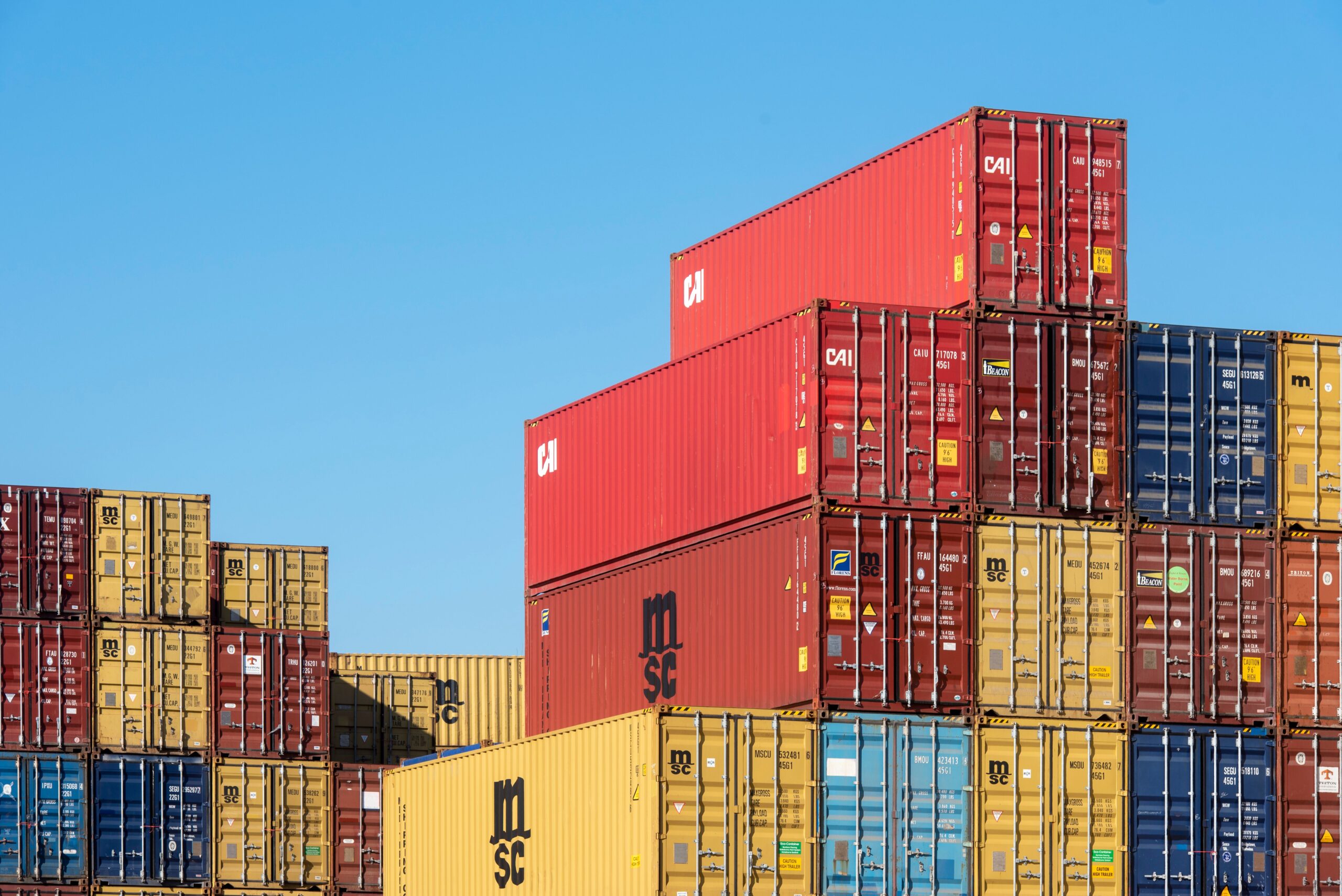 Scam Alert – A Real Brazilian Sugar Factory Can Appear in a Fake Offer
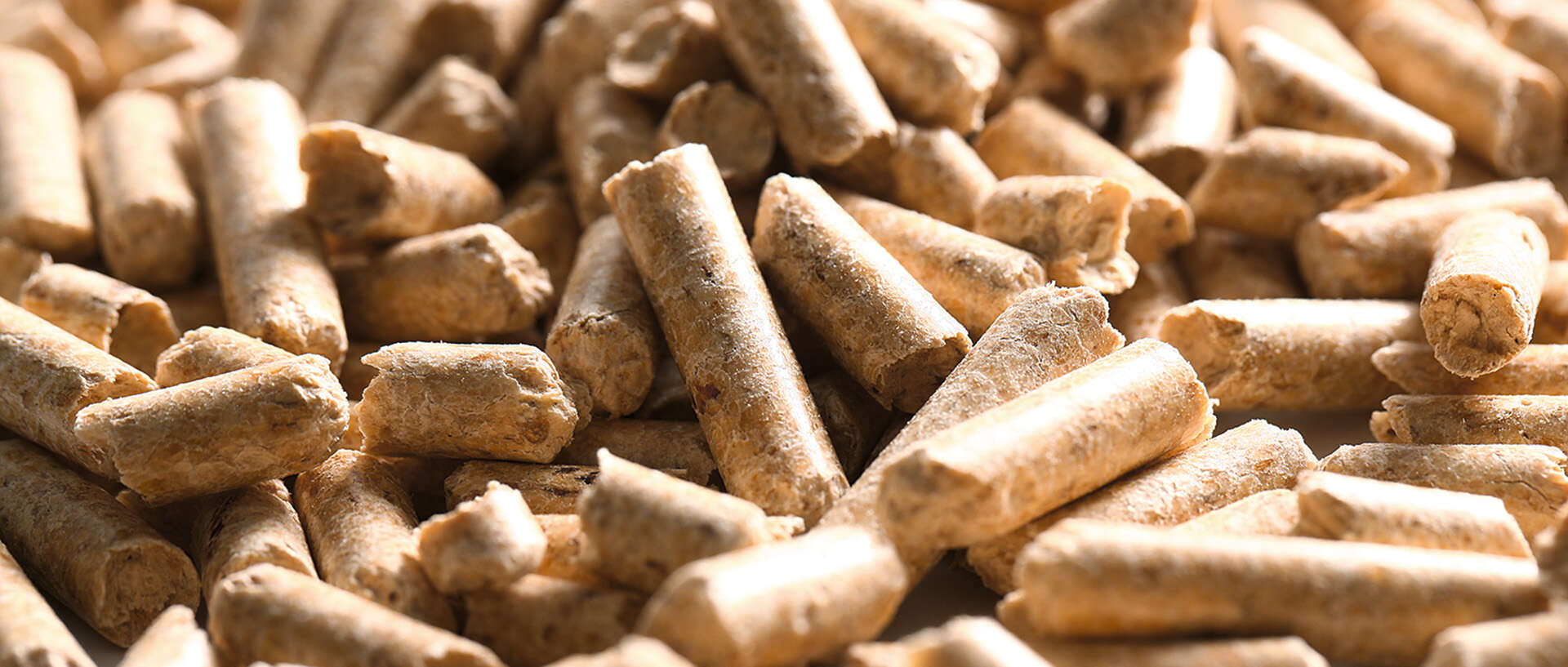 Brazil Wood Pellet Exporters: Why International Buyers Are Moving Earlier to Secure Brazilian Supply
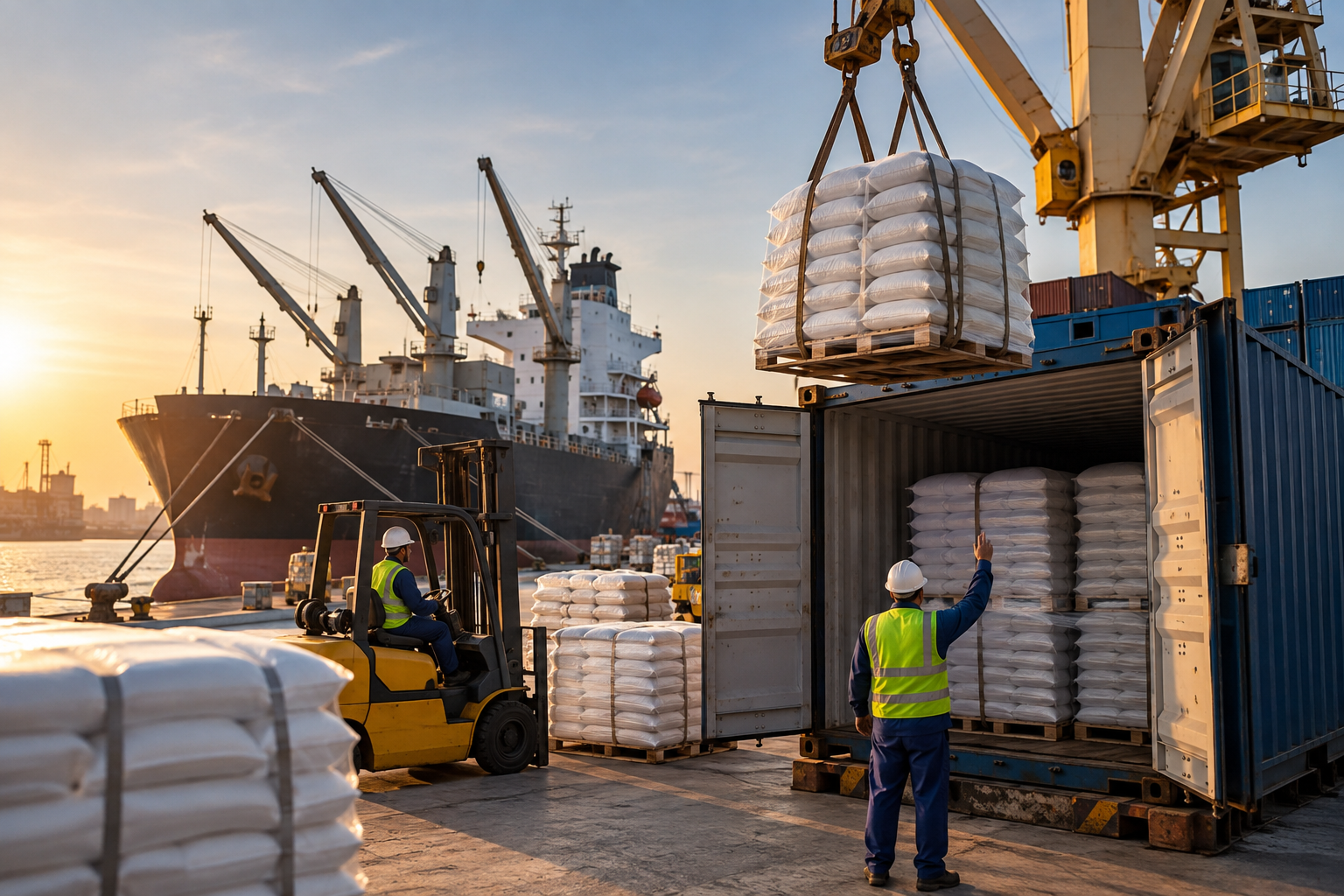 Brazil Sugar Suppliers: How Regular Importers Can Source ICUMSA 45, ICUMSA 150 and VHP Sugar from Brazil
1 thought on “ICUMSA 45 Sugar Supply from Brazil: Why Container Buyers Choose Verified Access Over Direct Offers”
Comments are closed.