
R. Viconde de Pirajá, 414 - Ipanema
Rio de Janeiro - Brazil
9:00AM to 7:00 PM
Moday To Friday
+55 21 976 723 023
R. Viconde de Pirajá, 414 - Ipanema
Rio de Janeiro - Brazil
9:00AM to 7:00 PM
Moday To Friday
+55 21 976 723 023

By the ImportPellet team | Updated October 2026 | 12-minute read
Quick answer: Brazil can supply EN Plus A1 wood pellets at competitive FOB prices, with year-round production, strong port infrastructure and growing sustainability certification. But the price you pay is only one part of the equation. Certification, freight, destination-market rules and supplier reliability decide whether an import deal makes money or becomes a costly lesson. This guide walks you through all of it, step by step.
If you are searching for wood pellet price, EN Plus A1 pellets Brazil or how to import pellets from Brazil, you are probably past the research stage and close to a purchase decision. That is exactly who ImportPellet built this guide for.
Contents
European, Japanese and Korean buyers have spent years concentrating supply in a few origins. Concentration means exposure: price spikes, logistics bottlenecks and geopolitical risk. Brazil offers a diversification option with real advantages:
Brazil is not a magic solution, and quality varies by producer. That is why the next sections focus on how to verify what you are buying.
When buyers type wood pellet price into Google, they usually want a single figure. The honest answer is that there is no single figure. Prices move with the market, the specification and the commercial terms.
Important: any price range you read online, including in this article, is an indicative reference only. Always request a live, dated quote before making decisions.
Factor | How it affects price |
|---|---|
Grade and certification | EN Plus A1 commands a premium over industrial grades because of its stricter limits on ash, fines and moisture. |
Incoterm | FOB, CFR and CIF prices are not comparable. Freight and insurance can add a significant share to the landed cost. |
Volume and contract length | Spot cargoes and annual contracts are priced differently. Long-term contracts often bring better terms. |
Packaging | Bulk, 1-tonne big bags and 15 kg retail bags have different cost structures. |
Feedstock | Pine sawdust, eucalyptus and mixed residues affect quality and cost. |
Freight market | Container rates and bulk-vessel rates change quickly and can swing the landed price. |
Exchange rate | The USD/BRL rate influences supplier pricing. |
Seasonality | Winter demand in the Northern Hemisphere normally tightens the market. |
A lower FOB Brazil price does not automatically mean a lower final cost. Calculate your landed cost per tonne:
Landed cost = FOB price + ocean freight + insurance + port charges + import duties and taxes (if any) + inland transport + quality-control costs
ImportPellet recommends building this calculation in a spreadsheet before you compare any two offers. It prevents the classic mistake of choosing the cheapest supplier and discovering the real cost after the cargo arrives.
EN Plus is the most widely recognised quality certification for wood pellets used in heating. Grade A1 is the premium tier, designed for residential and small commercial boilers, and the one retail and heating-market buyers ask for first.
The certification is built on the ISO 17225-2 standard and also covers the whole supply chain, from production to delivery, through audits and traceability.
Parameter | EN Plus A1 requirement |
|---|---|
Diameter | 6 mm (±1) or 8 mm (±1) |
Moisture | ≤ 10% |
Ash content | ≤ 0.7% |
Net calorific value | ≥ 16.5 MJ/kg |
Mechanical durability | ≥ 98.0% |
Fines (< 3.15 mm) | ≤ 1.0% |
Bulk density | ≥ 600 kg/m³ |
A supplier that hesitates to share this information is giving you useful information.

This is the section most readers search for when they type how to import pellets from Brazil. Here is the practical sequence.
Decide grade (EN Plus A1, A2 or industrial), diameter, packaging and annual volume. Without a clear specification, quotes are impossible to compare.
Sustainability and import rules differ by country. Confirm them before negotiating (see sections 5, 6 and 7).
Ask each supplier for:
Ask every supplier for the same Incoterm, volume, packaging, loading window and payment terms. Then compare landed cost, not headline price.
A solid purchase contract should define:
For a first transaction, many importers use a documentary letter of credit or a staged payment with an independent inspection certificate as a release condition.
Bulk pellets move on bulk carriers. Smaller buyers use containers, typically around 25 tonnes of bagged pellets per 40-foot container, depending on packaging. Book freight early in peak season and insure the cargo.
Appoint an independent inspector to check quality, weight and condition at the port of origin. This protects you if there is a dispute later.
Typical documents include:
Work with a customs broker in the destination country. Pellets must be kept dry, so plan covered storage and fast unloading.
Europe remains the largest market for premium wood pellets, and EN Plus A1 is the reference for heating buyers.
What European buyers normally need to consider:
Seasonality matters. Many European buyers contract in spring and summer to secure supply before winter price pressure.

Japan’s biomass power and heating market is driven largely by long-term, large-volume contracts and strict sustainability and traceability requirements.
Brazilian suppliers aiming at Japan need a verified sustainability chain, not only a quality certificate. If you are a Japanese buyer, ask early which schemes your offtake or programme accepts.
South Korea has been a major importer of wood pellets for power generation, supported by its renewable energy policies.
As in Japan, confirm current policy and certification requirements directly with your buyer or programme, since rules change.
Use this checklist before signing anything:
Visit the plant when possible, or hire a local auditor. A two-day visit costs far less than one rejected cargo.
Prices change with the market, grade, Incoterm and volume. EN Plus A1 normally costs more than industrial grades. Request a dated quote with FOB and CIF options, and calculate landed cost before deciding.
Yes. Several Brazilian producers hold or are pursuing EN Plus certification. Always verify the certificate number, scope and validity in the official database.
It varies by supplier. Container shipments of around 25 tonnes suit smaller buyers, while bulk cargoes are for larger contracts.
Paranaguá, Itapoá, Santos and Rio Grande are among the ports commonly used for pellet exports, depending on the producer location.
For industrial and power-generation buyers in Europe, Japan and Korea, usually yes. For retail heating, EN Plus is the main quality requirement, although sustainability proof is increasingly expected. Confirm with your own buyer and compliance adviser.
Plan for several weeks to a few months, including supplier verification, sample testing, contract negotiation, payment setup and freight booking.
ImportPellet helps importers compare certified suppliers, understand landed cost and structure safer deals. Tell us your target market, volume and specification, and we will help you build a clear path from quote to delivery.
Request your ImportPellet supplier checklist and start with a verified shortlist.
Disclaimer: This article is for general information. Prices, regulations and certification rules change frequently. Verify current requirements with official bodies, your customs broker and your legal adviser before committing to a transaction.

Brazilian, graduated in Marketing, Specialist in Service Management and Strategic Communication.
Important International Negotiator in the commercialization of Brazilian agricultural commodities such as: Sugar, Soybeans and Corn.
Owner of Mello Commdity, she has gained great prominence on the internet in recent years by promoting educational articles for importers of Brazilian agricultural commodities.
 VHP Sugar Wholesale Suppliers in Brazil: What Refinery Buyers Should Confirm Before Buying
 Scam Alert – A Real Brazilian Sugar Factory Can Appear in a Fake Offer
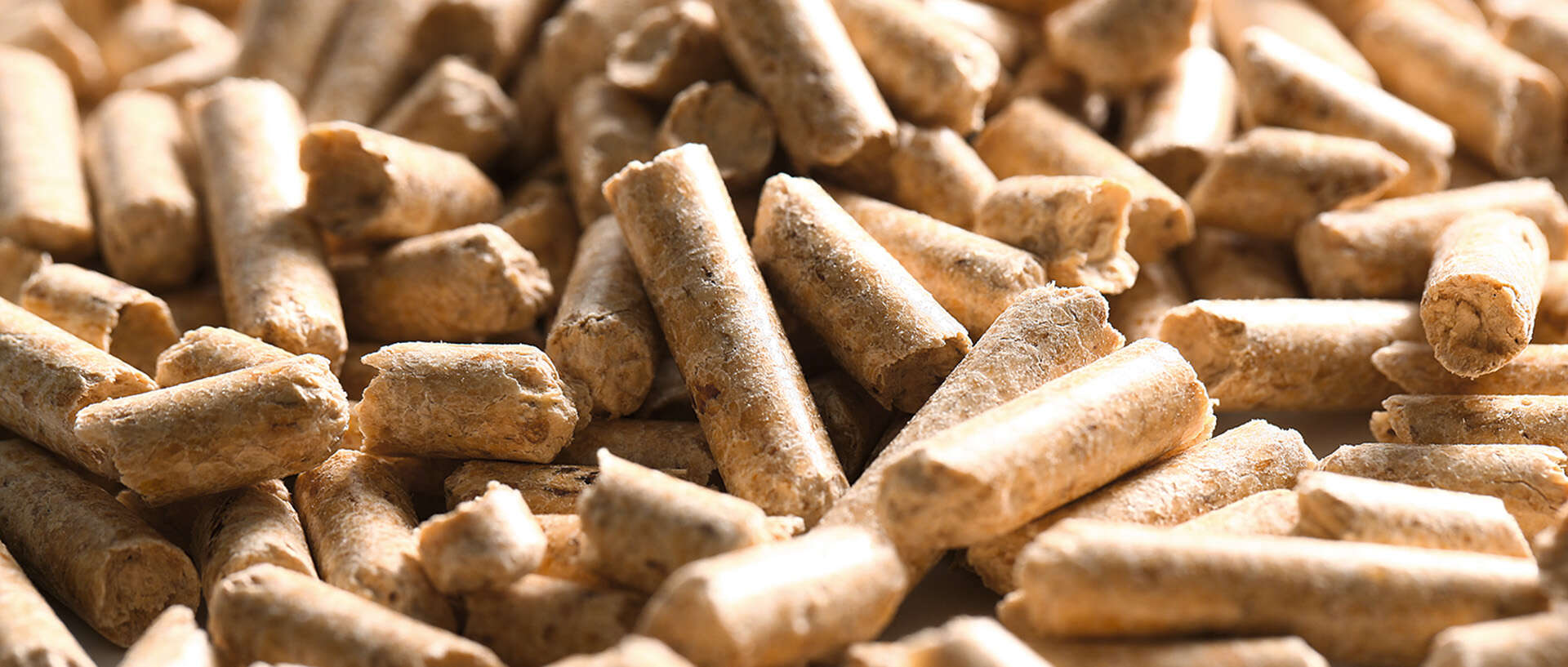 Brazil Wood Pellet Exporters: Why International Buyers Are Moving Earlier to Secure Brazilian Supply
1 thought on “Wood pellet price, ENPlus A1 pellets Brazil, how to import pellets from Brazil, pellets for Europe/Japan/Korea”